Ink and toner
Ink Tank vs Cartridge Printer: Which Is Right for You?
Written by Printer Co editorial team · Updated

The ink tank vs cartridge printer choice is mostly a question of when you want to pay. A cartridge printer is cheap to buy and expensive to run. An ink tank printer is expensive to buy and cheap to run. Which one is cheaper for you depends on how many pages you print, and this guide shows you how to tell.
Both types are inkjets. They spray tiny droplets of liquid ink through a print head onto the paper. The difference is where the ink lives and how you buy it.
How a cartridge printer works
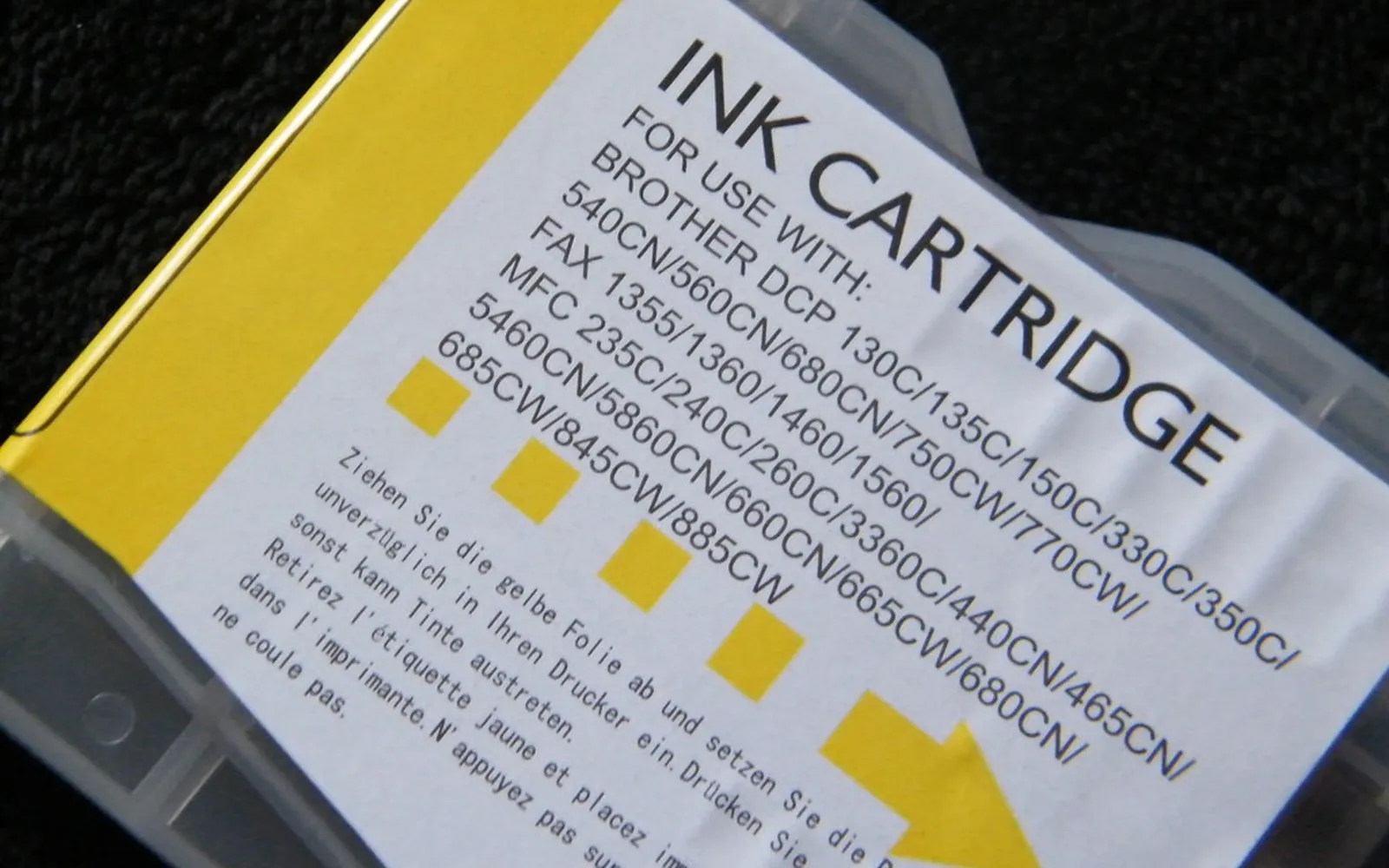
A cartridge printer holds ink in small plastic cartridges that clip into the print carriage. When one runs out you buy a new one. There are two common designs:
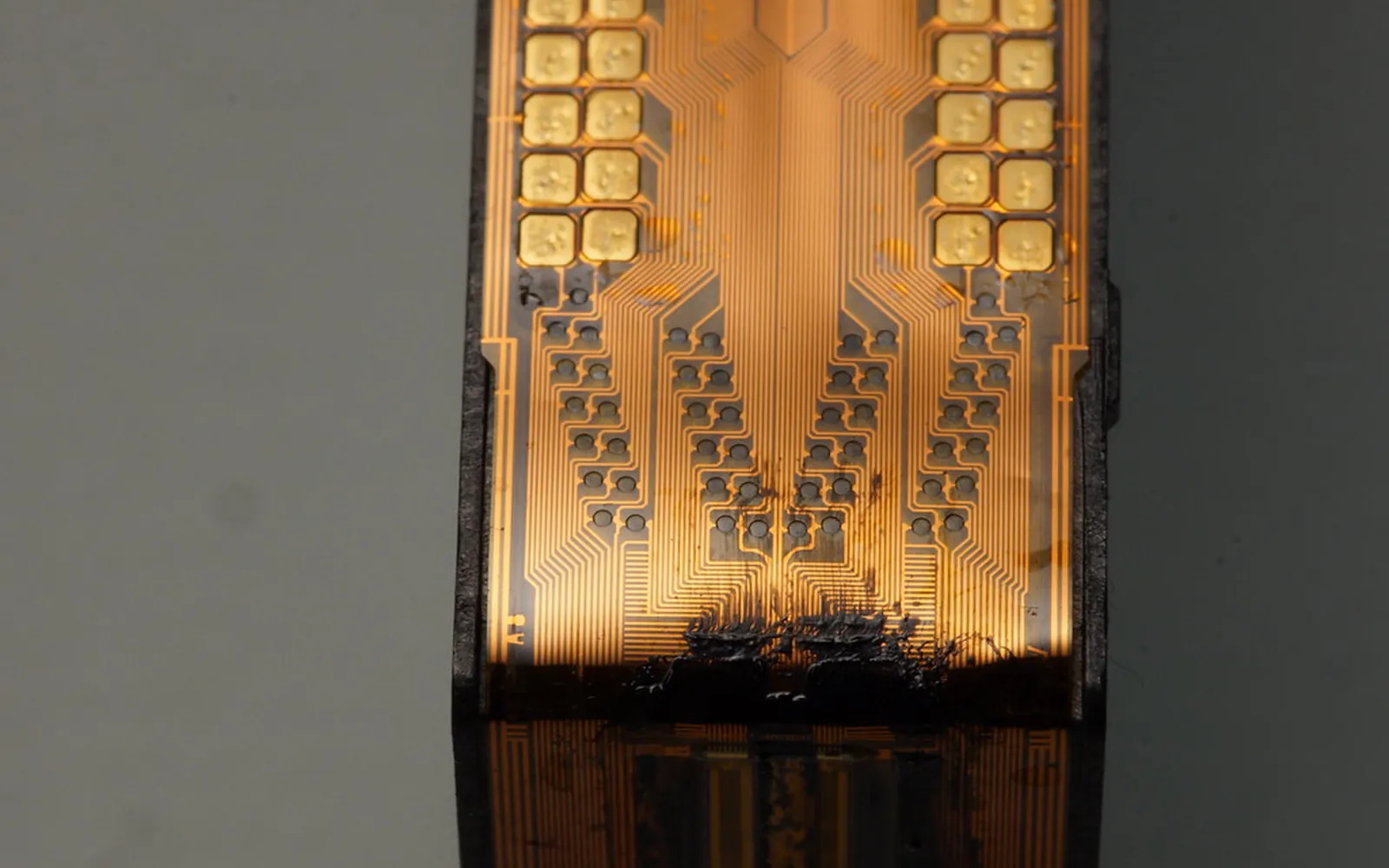
- Cartridges with a built-in print head. Every new cartridge brings a fresh print head. That makes clogs less of a long-term problem, because a dried head is replaced with each cartridge, but it makes each cartridge more expensive to produce.
- Ink-only cartridges. The print head stays in the printer and the cartridges are simple ink containers. These are cheaper per cartridge, and you can replace a single colour when it runs out.
The printer itself is often sold at a low price. The maker earns its margin on the cartridges over the printer’s life. We explain that model in why printer ink is so expensive.
How an ink tank printer works
An ink tank printer, sometimes called a supertank printer, has large refillable reservoirs built into the body. You pour ink in from bottles. Each set of bottles holds far more ink than a cartridge, so you refill rarely and pay much less per page.
The trade-off is the upfront price. Ink tank printers usually cost noticeably more than entry-level cartridge models, because the maker is not counting on selling you expensive cartridges later. Most major printer brands now sell an ink tank range.
Side-by-side comparison
| Cartridge printer | Ink tank printer | |
|---|---|---|
| Purchase price | Low | Higher |
| Cost per page | Higher | Much lower |
| Refills | Swap a cartridge | Pour from a bottle |
| Ink in the box | Starter cartridges, sometimes part-filled | Usually several bottles |
| Third-party ink | Possible on many models, blocked on some | Bottled third-party ink exists, with risks |
| Long idle periods | Risk of drying; heads in cartridges are renewed | Risk of drying; head is part of the printer |
| Best for | Light, occasional printing | Regular and colour-heavy printing |
Who should choose a cartridge printer
A cartridge printer makes sense if you print only a little, perhaps a handful of pages a month. In that case the extra money for an ink tank printer may never come back to you through cheaper ink. A cartridge printer is also easy to live with if you rarely print colour and just want something small.
If you print very little and mostly in black, also consider a small mono laser. Toner does not dry out, and you avoid the cleaning cycles that use ink after long breaks. Our laser vs inkjet guide compares them.
Who should choose an ink tank printer
Choose an ink tank if you print regularly and use colour: school projects, crafts, colour documents, flyers for a club. The more you print, the faster the higher purchase price pays for itself. Households that print in bursts, such as during school term, also benefit, as long as they print the occasional page in the holidays to keep the nozzles clear.
Working out the break-even point
You can calculate when an ink tank printer starts saving you money. You need four numbers: the price of each printer, and the cost per page of each, taken from official yields. The steps are in our ink tank vs cartridge printer cost guide, and the general method for any printer is in printer cost per page.
In short: the difference in purchase price divided by the difference in cost per page gives the number of pages it takes to break even. If you will print that many pages within the life of the printer, the ink tank wins.
Print quality
Both types can print sharp text and good colour. Quality depends more on the ink chemistry, the number of ink colours and the paper. Many printers use pigment black ink for crisp text and dye-based colour inks for vivid images. If you want to print photos you plan to keep, read photo printing at home before choosing.
Refilling and mess
Modern ink tank bottles are usually keyed, so each colour only fits its own tank, and they are designed to stop flowing when the tank is full. Refilling is quick and clean if you follow the instructions. Cartridge swaps are cleaner still: you click one out and click one in.
Living with each type day to day
Checking ink levels. On an ink tank printer you can usually see the ink through a window in each tank, so you know exactly how much is left. Cartridge printers estimate levels from a chip or a page count, and low-ink warnings often appear well before the cartridge is truly empty. Keep printing until quality fades unless you are about to print something important.
Long breaks. Both types are inkjets, so both can suffer from dried nozzles if they sit unused for weeks. On a cartridge printer with the head built into the cartridge, a new cartridge often solves a stubborn clog. On an ink tank printer the head is permanent, so regular use matters more. Our guide to print head clogging explains how to prevent it.
Waste ink. Inkjets collect ink from cleaning cycles in an internal pad or a replaceable maintenance box. Heavy use and frequent cleaning fill it sooner, which is worth knowing if you plan to keep a printer for many years.
Third-party ink and subscriptions
Both kinds of printer have an aftermarket. Compatible cartridges and bottled inks can save money, but they carry risks, from chip rejection to print head damage. Read third-party printer ink before you switch. Some cartridge printers are also sold with an ink subscription, which changes the cost calculation again.
Refilling cartridges instead of buying an ink tank
Some people try to get ink-tank running costs from a cartridge printer by refilling cartridges with a syringe kit. It can work, but the printer may stop reporting ink levels correctly, and Canon’s manual for its TS3300 series warns that installing a used cartridge may cause the nozzles to clog. An ink tank printer is designed for refilling: you push a colour-matched bottle into each tank’s inlet and stop at the upper line. If you are weighing the two routes, read how to refill ink cartridges for the risks first.
Electricity is not a deciding factor between the two types. Both are inkjets, both spend most of their time in standby, and our worked examples in how much electricity a printer uses show that a small inkjet uses only a few kWh a month at most.
The short answer
- Print a little, occasionally: a cartridge printer, or a mono laser if you rarely need colour.
- Print regularly, especially in colour: an ink tank printer.
- Not sure: count your pages for a month, then run the break-even sum before you buy.
Whichever you choose, recycle the empty cartridges or bottles rather than putting them in household rubbish.
Frequently asked questions
Is an ink tank printer worth it?
It is usually worth it if you print regularly, especially in colour. The higher purchase price is paid back through cheaper ink. If you print only a few pages a month, a cartridge printer or a mono laser may cost less overall.
Do ink tank printers dry out?
The ink in the tanks is sealed, but the print head nozzles can still dry if the printer is not used for long periods. Printing a short page every week or so helps keep the nozzles clear.
Can I put any ink in an ink tank printer?
Use ink made for your printer model. Bottles are often keyed so they only fit the correct tank. Third-party bottled ink exists, but the wrong ink chemistry can damage the print head and the maker may refuse to cover damage it causes.
Are cartridge printers better for photos?
Not automatically. Photo quality depends on the ink type, the number of ink colours and the paper, not on whether ink sits in a cartridge or a tank. Some photo-focused models use cartridges, some use tanks.
How long does a bottle of ink last in an ink tank printer?
It depends on what you print. Makers quote a page yield for each bottle set; that figure is measured with a standard test page, so pages with large images or photos use more ink than the quoted yield suggests.
Sources
Editorial team
The Printer Co editorial team researches and writes independent guides to home printers, ink and printing costs, using manufacturer documentation, standards bodies and consumer-protection sources.