Ink and toner
Why Is Printer Ink So Expensive? The Business Explained
Written by Printer Co editorial team · Updated
If you have ever found that a set of replacement cartridges costs about as much as the printer, you have met the question every printer owner asks: why is printer ink so expensive? The short answer is that ink is where the money is made. The longer answer explains how the business works and what that means for your choices.
The razor-and-blades model
Many printer makers follow a pricing approach known as razor and blades. The razor (the printer) is sold at a low price to get it into your home. The blades (the cartridges) are sold at a high margin, again and again, for as long as you own the printer.
For the maker this is a sensible strategy. A low shelf price wins the sale against competitors. Every cartridge after that brings steady income. For the buyer it means that the cheapest printer on the shelf is often the most expensive one to own if you print much at all.
Why you cannot simply buy cheaper ink
If ink is so profitable, why does the market not drive prices down? Several things limit competition:
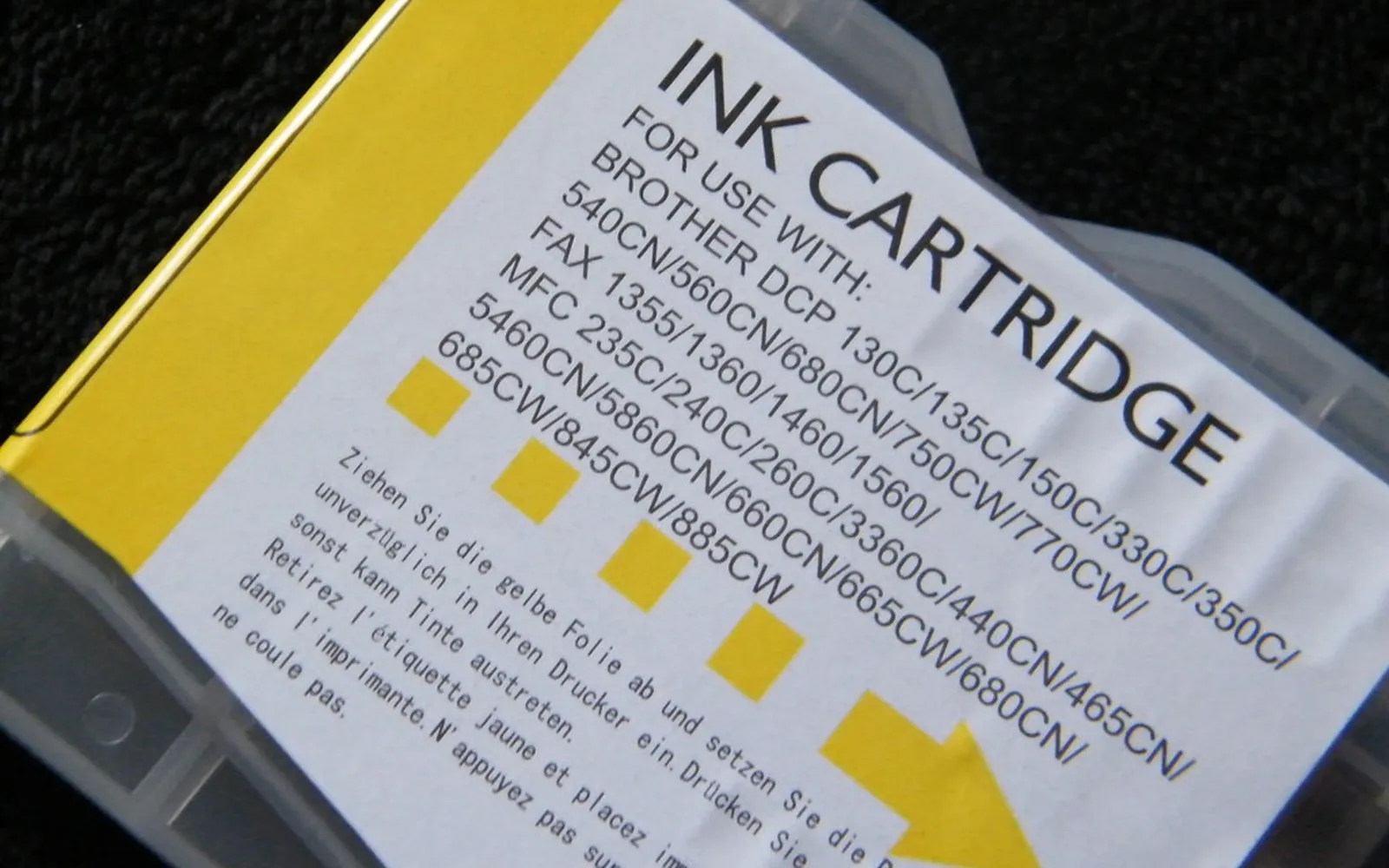
- Cartridge chips. Many cartridges carry a small chip that reports ink levels and identifies the cartridge. Printers can be designed to warn about, or refuse, cartridges they do not recognise.
- Firmware updates. Some printers receive updates that change which cartridges they accept. In several countries this has led to complaints and legal action over third-party cartridges that suddenly stopped working.
- Patents and designs. Cartridge shapes, chips and print head designs are protected, which makes it harder for others to copy them.
- Subscriptions. Some printers are sold on condition that you use the maker’s ink plan, which ties ink supply to the printer.
Third-party ink still exists and can work well. Our guide to third-party printer ink explains compatible, remanufactured and refilled options, and what US warranty law says about using them.
Is the ink itself costly to make?
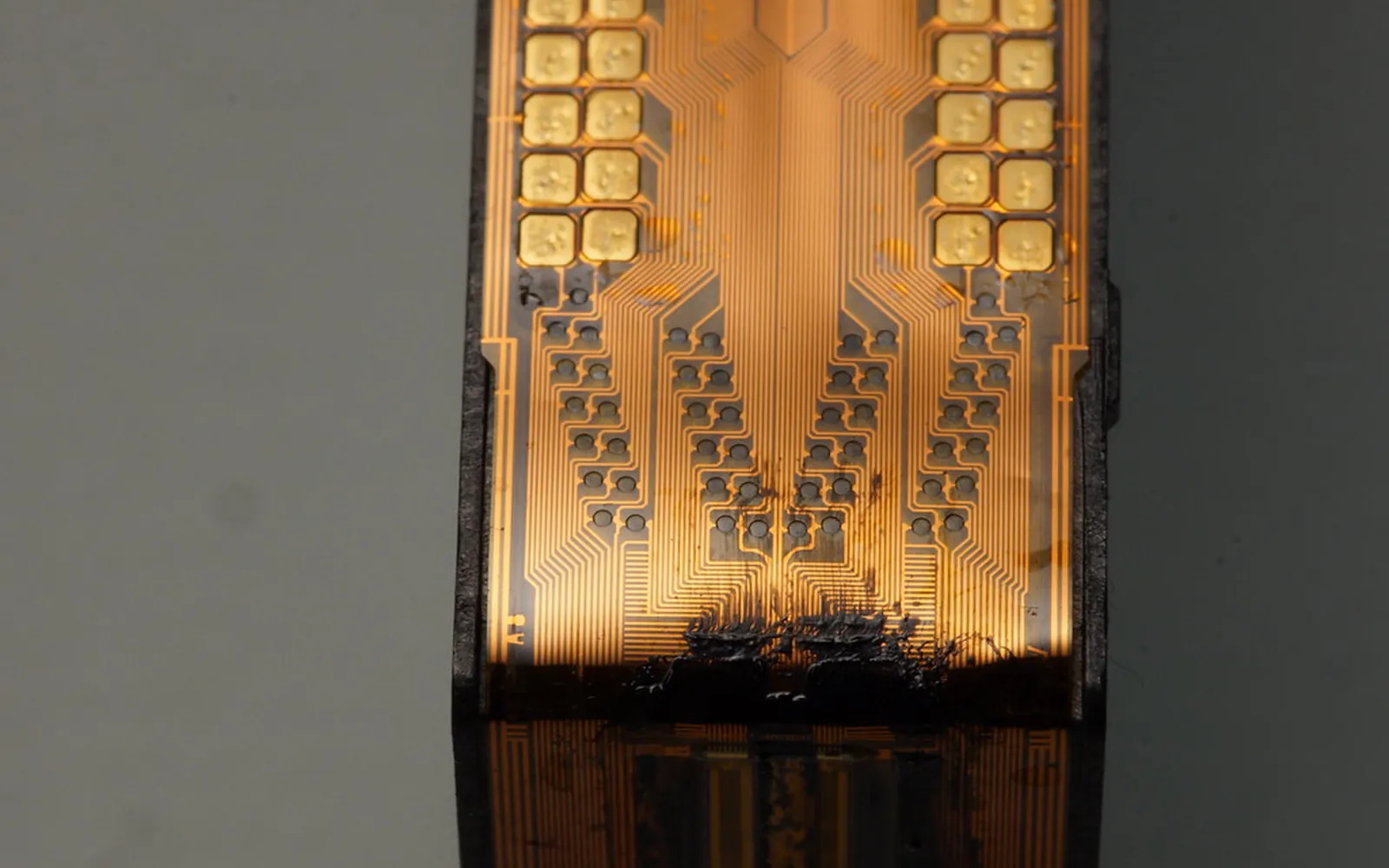
Printer ink is not just coloured water. It must flow through nozzles thinner than a hair, dry at the right speed on many kinds of paper, resist fading and not clog the print head. Developing such inks and the print heads that fire them takes real research. Cartridges with a built-in print head also contain precision electronics.
Even so, the price on the shelf reflects the business model far more than the cost of the liquid. That is why the same maker can sell bottled ink for its ink tank printers at a far lower cost per page than its cartridges.
Small cartridges make it worse
Standard cartridges often contain only a modest amount of ink. Smaller cartridges have a lower shelf price, which looks friendlier at the till, but they have a higher cost per page. Starter cartridges included with a new printer are sometimes smaller still, and part of their ink goes on priming the print head; our starter cartridge vs standard cartridge guide explains why the first set runs out early. Always compare cost per page, using the official yield, rather than the price of the box. Our printer cost per page guide shows how.
Ink you never print with
Not all the ink you buy reaches paper. Inkjet printers use ink to clean and prime their nozzles, especially after being switched on, after long idle periods, or when you run a cleaning cycle. If you print rarely, a larger share of each cartridge goes to maintenance. Our guide to print head clogging explains how to keep that waste down.
How the industry has responded
Criticism of ink prices has pushed makers to offer alternatives:
- Ink tank printers cost more upfront but use cheap bottled ink. See ink tank vs cartridge printer.
- High-yield (XL) cartridges give more pages per pound or dollar. They are not always the better buy; see are XL ink cartridges worth it for when the bigger cartridge pays off and when it dries out first.
- Ink subscriptions charge a monthly fee for a page allowance and post cartridges automatically. See printer ink subscriptions.
How to pay less for ink
- Choose the right printer type. Light, mostly black printing suits a mono laser. Regular colour printing suits an ink tank. See the best printer for home use guide.
- Buy high-yield cartridges when your printer offers them, after checking the cost per page.
- Print in black or greyscale when colour adds nothing. Use draft or economy mode for everyday pages. Be aware that on some printers a greyscale setting still mixes colour inks; print with only black ink explains how to check and which setting to use.
- Print little and often rather than leaving an inkjet unused for weeks.
- Preview before you print and print only the pages you need. Our guide to eco-friendly printing at home has more ideas.
- Consider third-party ink carefully, knowing the risks.
How to read a cartridge price in the shop
Standing at the shelf, or looking at an online listing, run this quick check before you pick a box:
- Note the price and the rated yield printed on the box or listing (“up to X pages”).
- Check that the yield names a method, normally ISO/IEC 24711 for inkjet cartridges. A figure without a method cannot be compared fairly.
- Divide price by pages for every option: standard, XL and multipacks.
- Be careful with multipacks. A four-colour bundle looks like a deal, but if black always runs out first you end up storing colours you do not need, and ink has a shelf life.
- Keep the sums in a note on your phone. Next time you only need to check whether the price has changed.
After two or three purchases you will know your real cost per page, and you can judge an offer, a subscription or a new printer in seconds.
The bottom line
Printer ink is expensive mainly because printer makers have built a business on selling it at a high margin. You cannot change the business model, but you can choose a printer, an ink source and printing habits that keep you on the cheap side of it.
Frequently asked questions
Why is printer ink more expensive than the printer?
Because the printer is often priced low to win the sale, sometimes close to or below what it costs to make, and the maker recovers the money through ink over the printer's life. That is why a full set of replacement cartridges can cost as much as the printer.
Is printer ink really one of the most expensive liquids?
Per millilitre, cartridge ink is very expensive compared with everyday liquids. Comparisons vary depending on the cartridge and the date, so treat any single headline figure with care. The point stands: you pay mainly for the business model, not the fluid.
Are XL cartridges better value?
Often, but not always. High-yield or XL cartridges cost more but tend to give a lower cost per page. Divide price by official yield for both sizes to check, and make sure you will use the cartridge up before the ink ages.
How can I spend less on ink?
Print less colour, use draft mode for everyday pages, choose high-yield cartridges, consider an ink tank printer if you print a lot, or a mono laser if you mostly print text. Third-party ink can save money but read about the risks first.
Sources
Editorial team
The Printer Co editorial team researches and writes independent guides to home printers, ink and printing costs, using manufacturer documentation, standards bodies and consumer-protection sources.