Ink and toner
Third-Party Printer Ink: Is It Safe and Worth Using?
Written by Printer Co editorial team · Updated

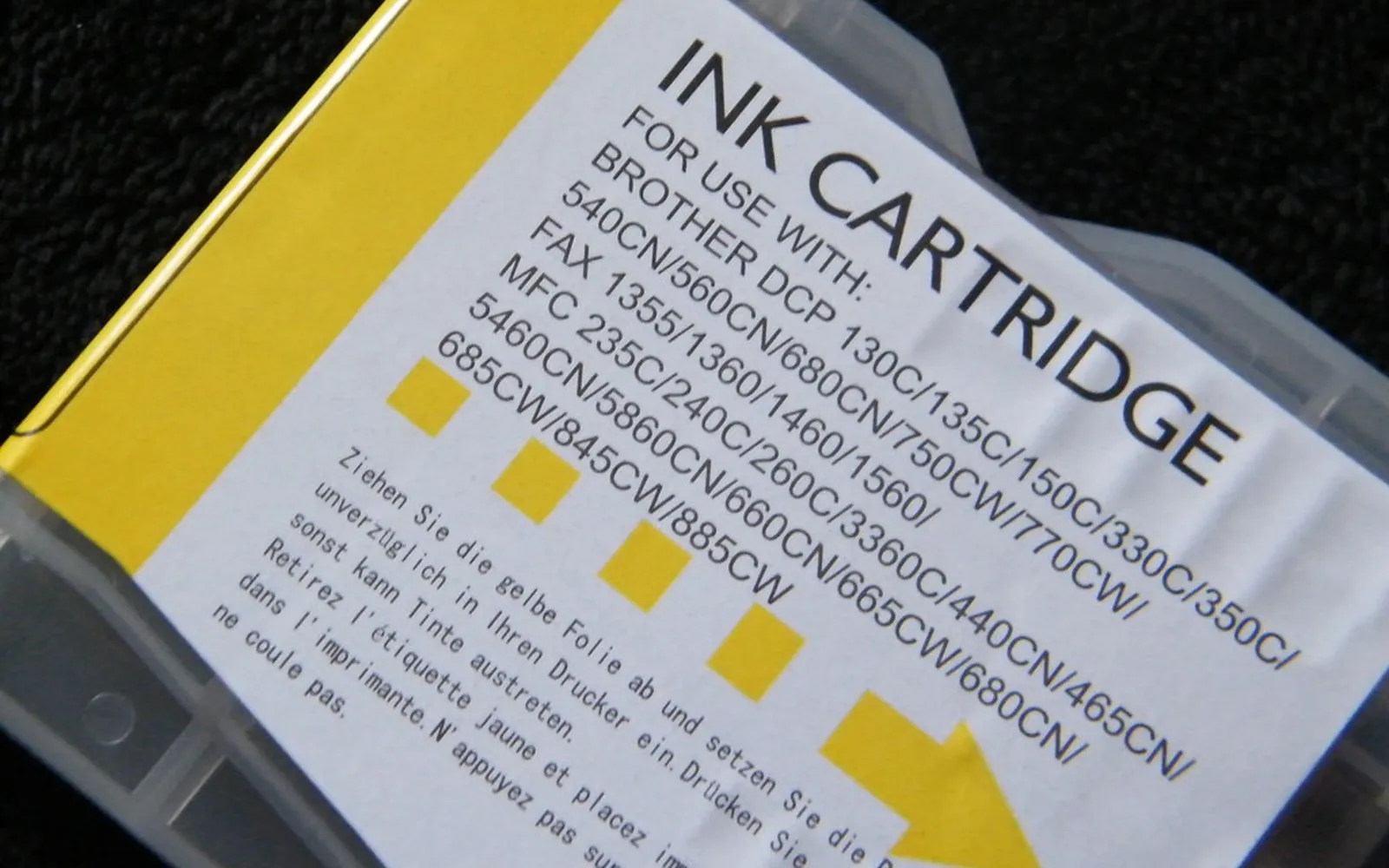
Third-party printer ink is any ink or cartridge not made by your printer’s manufacturer. It is popular for an obvious reason: it usually costs much less per page. It is also controversial, because printer makers would rather you bought their own supplies, and some design their printers to make that the easier path. This guide explains the options, the real risks and how to try third-party ink without regrets.
The four kinds of third-party ink
| Type | What it is | Typical pros | Typical cons |
|---|---|---|---|
| Compatible cartridges | New cartridges made by another company to fit your printer | Cheap, widely sold | Quality varies; chip may be rejected |
| Remanufactured cartridges | Used originals, cleaned, refilled and tested | Reuses plastic; original print head on head-in-cartridge types | Quality varies; head may be worn |
| Refill kits | Bottles and syringes to refill your own cartridges | Lowest cost | Messy; limited refills; chip may still read empty |
| Bottled ink for tanks | Third-party ink for ink tank printers | Cheap | Wrong chemistry can damage the fixed print head |
Why some printers reject third-party cartridges
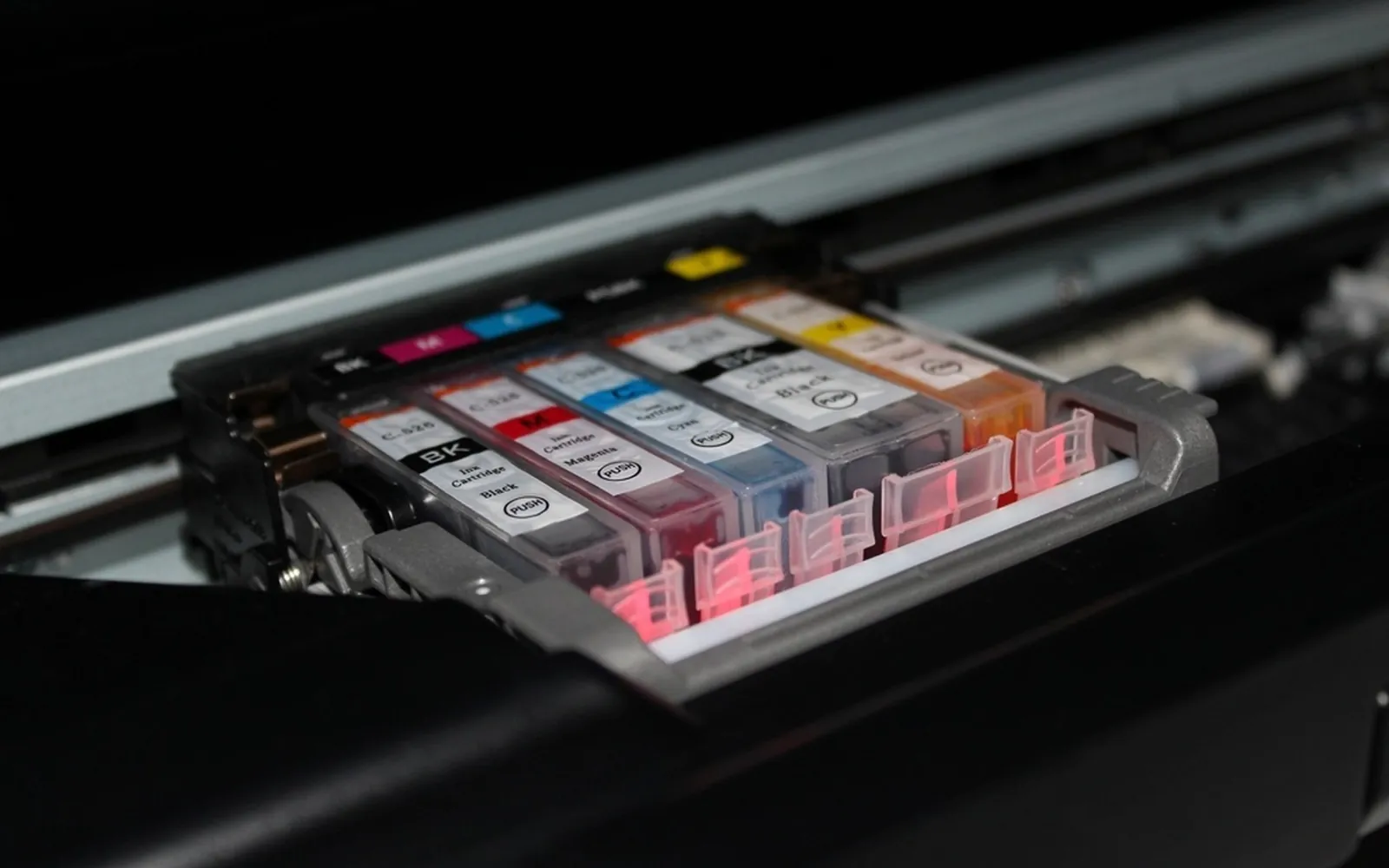
Most modern cartridges carry a small chip. The printer reads it to identify the cartridge and estimate ink levels. A printer can be programmed to warn about, or refuse, cartridges it does not recognise. Firmware updates can change those rules, which is why third-party cartridges that worked last month sometimes stop working after an update.
If you plan to use third-party ink:
- Check before buying a printer. Read the maker’s terms and recent owner reviews for whether third-party cartridges work on that model.
- Think about automatic firmware updates. Updates often fix security problems, so turning them off is a trade-off. If you leave them on, buy third-party cartridges from sellers who replace cartridges that stop working after an update.
- Avoid printers locked to a plan. Some printers sold at a discount must use the maker’s ink or an ink subscription for life.
What US warranty law says
In the United States, the Magnuson-Moss Warranty Act limits so-called tie-in sales. The Federal Trade Commission’s guide for businesses states that, generally, tie-in sales provisions are not allowed: a warranty cannot require you to use a particular brand of supplies to keep coverage, unless the maker provides those supplies free or obtains an FTC waiver. A maker may still refuse to cover damage caused by parts or supplies it did not provide.
In practice: using third-party ink should not by itself end your US warranty, but if a leaking third-party cartridge damages the printer, that repair may not be covered. Other countries have their own consumer laws, so check the rules where you live. The underlying US rule is published in the Code of Federal Regulations at 16 CFR 700.10, linked in the sources. If a repair is refused because of third-party ink, ask for the refusal in writing with the specific reason; you will need it if you complain to a consumer protection body.
Print quality and yield
Original ink is designed together with the print head, the paper settings and the colour profiles in the driver. Good third-party ink can come close for everyday documents. Differences are most visible in:
- Photos, where colour accuracy and fade resistance matter. For prints you want to keep, see photo printing at home.
- Yield claims. Reputable third-party sellers quote yields tested to the same ISO/IEC 24711 method used by printer makers. Treat claims without a stated method with caution.
- Consistency. Two batches from the same seller may not behave identically.
High-yield cartridges and ink type
Many third-party sellers push high-yield, XL-sized cartridges. Before buying, work out the cost per page and think about how fast you print: a large cartridge that sits for months in a lightly used printer can age before it is empty. Are XL ink cartridges worth it runs the numbers.
The other thing few buyers check is ink chemistry. Many printers use a pigment black for text and dye-based colours, and a compatible set should match that. If a seller does not say whether its black is pigment or dye, ask before ordering: a dye black in place of a pigment one usually gives softer text on plain paper and less water resistance. Our guide to pigment vs dye ink explains the difference.
What to look for on a third-party cartridge listing:
- The exact printer models supported, written as full model codes rather than a series name.
- A page yield with a stated test method, such as ISO/IEC 24711.
- The ink type for black and for the colours.
- A replacement policy if the printer rejects the chip.
- A manufacture or use-by date, especially for multipacks.
Print head risk
On printers with a permanent print head, which includes most ink tank printers, the head is part of the machine. Ink with the wrong chemistry or particles can clog it or, at worst, damage it permanently. On cartridges with a built-in head, a bad cartridge affects only that cartridge.
Signs of trouble include streaks that do not clear after one or two cleaning cycles, colours that look wrong, or ink appearing where it should not. Our guide to print head clogging explains how to tell a dried nozzle from a deeper problem.
How to try third-party ink safely
- Start with one colour or one set, not a year’s supply.
- Buy from a seller with a clear guarantee that covers cartridges rejected by the printer.
- Keep your last original cartridges until the new ones have printed successfully.
- Look for a stated test method for page yield.
- Use the printer regularly so third-party ink does not sit in the nozzles for weeks.
- Return empty cartridges for recycling; remanufacturers depend on them. See how to recycle ink cartridges.
Is it worth it?
For everyday documents on a printer that accepts it, good third-party ink often brings your cost per page down substantially. For photos you want to last, or for a printer with an expensive fixed print head, original ink is the lower-risk choice. If you find yourself fighting your printer over cartridges, an ink tank model or a mono laser may be the more peaceful way to cut high ink costs.
Frequently asked questions
Is third-party printer ink safe to use?
Good-quality third-party ink is used by many people without problems. The risks are uneven quality, cartridges the printer refuses to recognise, and, rarely, leaks or print head damage. Buy from sellers with clear return policies and keep your old cartridges until the new ones work.
Does using third-party ink void my printer warranty?
In the United States, the FTC says warrantors generally cannot make coverage depend on using a particular brand of supplies, unless the supplies are provided free or the FTC grants a waiver. A warrantor can, however, refuse to cover damage that the third-party supply caused. Rules differ in other countries.
Why does my printer say the cartridge is not recognised?
The printer reads a chip on the cartridge. A third-party chip may not be recognised, especially after a firmware update. Reseating the cartridge, cleaning the contacts or contacting the seller for a replacement are the usual fixes.
What is the difference between compatible and remanufactured cartridges?
Compatible cartridges are new cartridges made by a third party. Remanufactured cartridges are used original cartridges that have been cleaned, refilled and tested, often with a new chip.
Is it worth refilling cartridges myself?
Refill kits are cheap but messy, and success depends on the cartridge design. Cartridges with built-in print heads can only be refilled a limited number of times before the head wears out.
Is third-party ink good for photos?
It can be fine for casual photos, but colour accuracy and fade resistance vary more between third-party sellers than on everyday documents. For prints you want to keep for years, the maker's own ink and paper combination is the most predictable choice.
Sources
Editorial team
The Printer Co editorial team researches and writes independent guides to home printers, ink and printing costs, using manufacturer documentation, standards bodies and consumer-protection sources.