Home printers
How to Secure a Home Printer on Wi-Fi: A Practical Guide
Written by Printer Co editorial team · Updated
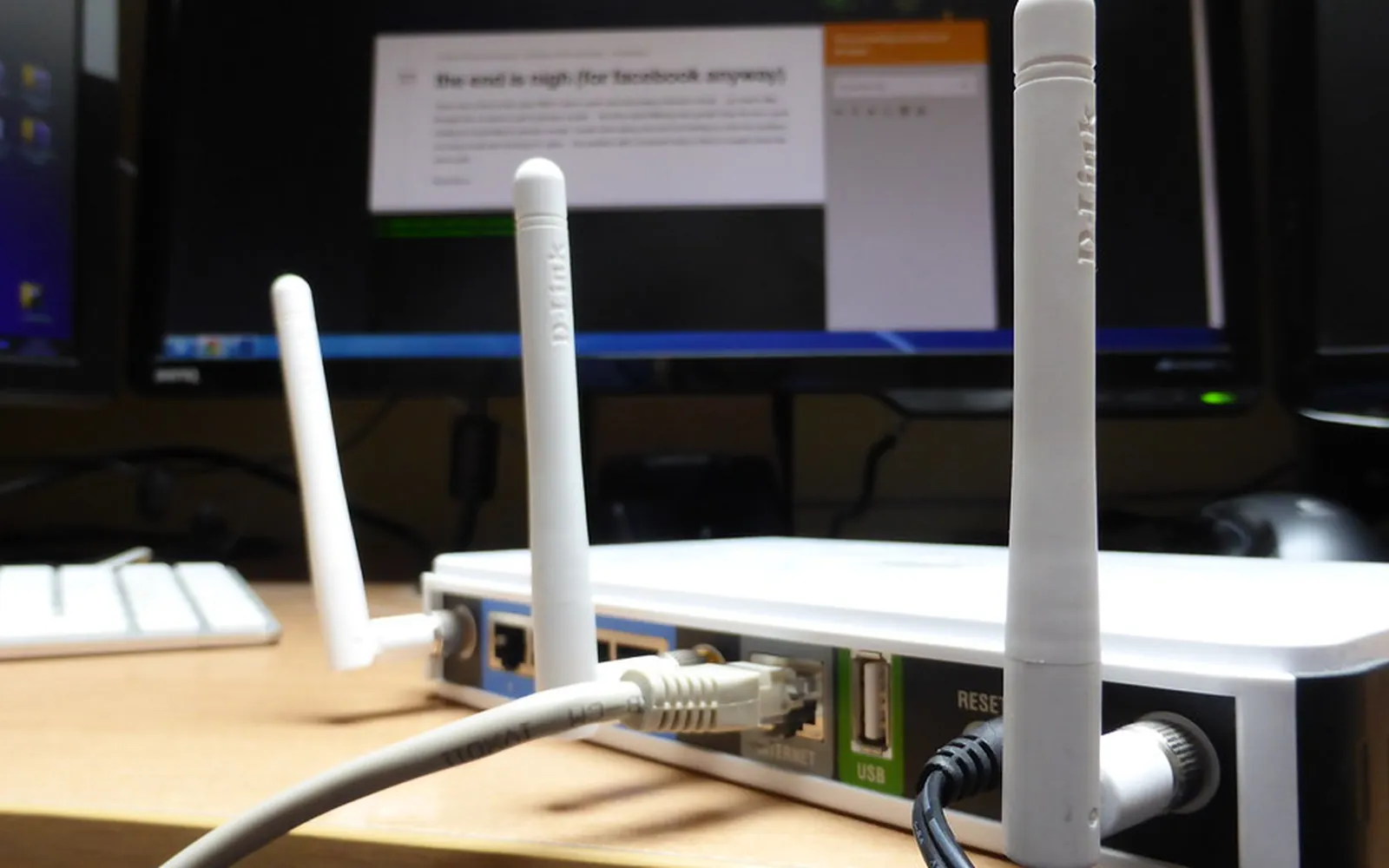
Knowing how to secure a home printer matters more than it used to. A modern Wi-Fi printer is a small networked computer: it runs firmware, keeps your Wi-Fi password, may store scan-to-email contacts and fax numbers, and often talks to a cloud service. Most of the time nothing goes wrong. But printers tend to be set up once and forgotten for years, which is exactly what makes any device easier to misuse. This guide covers the handful of steps that make a real difference, in plain language.
Why a printer is worth securing
The UK’s National Cyber Security Centre (NCSC) puts the risk of smart devices simply: makers release updates to fix bugs and security problems, and without them a device becomes easier to hack; and a device is not secure if a criminal can guess the password used to access it. A printer that is reachable on your network with its factory password and years-old firmware ticks both boxes.
What could happen in practice? Someone could change its settings, read stored contacts, print junk, or use a weak device as a foothold on your network. For a home, the realistic goal is simple: do not be the easy target.
Step 1: Find the printer’s settings
Most Wi-Fi printers have a built-in web page. Print a network configuration report from the control panel (or look under network settings) to find the printer’s IP address, then type it into a browser on a computer or phone on the same network. The maker’s app usually shows the same settings. Our guide to connecting a printer to Wi-Fi explains how to find the IP address and keep it stable.
Step 2: Set a strong admin password
The printer’s web page usually has an administrator login that protects its settings.
- If it uses a generic default, change it now. Some newer printers ship with a unique password printed on a label or on the network report; you can still replace it with your own.
- Use something long and unique. The NCSC suggests combining three random words.
- Store it in your password manager or somewhere safe. You will need it rarely, which is exactly when people forget it.
The NCSC also notes that UK law since 29 April 2024 requires new smart devices sold there to meet basic security requirements, including not shipping with easily shared default passwords. Older printers predate rules like that.
Step 3: Keep the firmware updated
Printer firmware updates fix bugs, add features and close security holes. CISA’s Secure Our World guidance puts it plainly: don’t delay software updates.
- On the printer panel, app or web page, look for Firmware update, Software update or Web services, check for updates.
- If there is an option for automatic updates, turn it on.
- Check every few months if automatic updates are not available.
One caution: some firmware updates have changed how printers handle third-party or refilled cartridges. If that matters to you, read the update notes first; our page on third-party printer ink covers this. Security fixes are still worth having.
The NCSC also suggests checking how long a device will be supported before you buy it, and treating the end of support as a kind of “use by” date.
Step 4: Turn off features you do not use
Every enabled feature is something else that could be misused. Common ones to review:
- Remote, cloud or email-to-print. Useful if you print from outside the home; otherwise, turn it off. The NCSC gives the same advice for smart devices: switch off remote access if you do not need it.
- Wi-Fi Direct. The printer broadcasts its own small network for direct connections. If you always print through your router, disable it, or at least make sure it has a password.
- Old protocols and services you do not recognise and do not use, such as FTP or Telnet on some models. If you are unsure, leave a setting alone rather than breaking printing.
- Two-step verification for the maker’s online account, if you have one. The NCSC recommends turning it on wherever it is offered.
Step 5: Protect the network the printer is on
Your printer is only as safe as the Wi-Fi it joins.
- Use WPA2 or WPA3 security on your router; the Wi-Fi Alliance says WPA3 is mandatory for its Wi-Fi CERTIFIED devices and that WPA3-Personal gives increased protection from password-guessing attempts. Avoid open networks and the old WEP standard.
- Use a strong Wi-Fi password and keep the router’s own firmware updated.
- Turn off WPS PIN mode on the router if you can. The CERT Coordination Center documented a design flaw (VU#723755) that lets an attacker work out the eight-digit WPS PIN much faster than expected. If you use WPS to connect a printer, the push-button method is the one most setup guides use; turn WPS off again afterwards if your router allows.
- If your router offers a guest network, keep visitors on it, and keep the printer and your own computers on the main network.
Step 6: Mind what the printer stores
A home all-in-one may hold:
- your Wi-Fi password,
- scan-to-email addresses and fax numbers,
- stored or queued jobs,
- account links to the maker’s cloud service.
Clear what you no longer need. If you scan sensitive documents, send them to a folder on your own computer rather than to an email address you rarely check; our guide on how to scan documents at home covers safe storage.
Step 7: Wipe it before it leaves your home
Canon’s manuals warn that if you have entered personal data, passwords or other security settings, the printer may store them, and say to reset its settings before sending it for repair, lending it or disposing of it. Other makers have similar reset options. Our guide on how to dispose of an old printer walks through the reset and recycling.
Paper is part of printer security too
Many people keep a printer at home precisely so that tax returns, medical letters and copies of ID documents never pass through a shop; our guide do I need a printer at home lists that as one of the best reasons to own one. The settings above protect the device, but the paper needs the same care:
- Collect printouts straight away from a printer in a shared or busy room.
- Copy IDs only when asked, keep the copies somewhere safe and shred them when they are no longer needed. The ID copy feature on many all-in-ones puts both sides of a card on one sheet, so there is only one page to look after; see how to make a copy on a printer.
- Do not leave originals on the scanner glass. It is the most common way a passport or bank letter gets left behind.
After a move, a repair or a loan
A printer that has been moved, repaired or lent out deserves a quick re-check. Canon’s TS3300 manual notes that personal data, passwords and other security settings you entered may be stored in the printer, and gives a reset procedure to run before sending it for repair, lending it or passing it on. When it comes back, or when you set it up on a new network after moving house, change the admin password again, check the firmware and turn off features you do not use. Our guide on how to move a printer covers reconnecting it to the new Wi-Fi.
A ten-minute checklist
- Admin password changed from any default
- Firmware updated, automatic updates on
- Remote printing, Wi-Fi Direct and email-to-print off unless needed
- Router on WPA2 or WPA3 with a strong password; WPS PIN off
- Stored contacts and jobs cleared
- Reset before resale, repair or recycling
Frequently asked questions
Can a home printer be hacked?
Any device that connects to a network and runs software can have security flaws. The UK National Cyber Security Centre warns that smart devices without updates become easier to hack and that guessable passwords let criminals log in. Keeping the printer updated and password-protected reduces the risk a lot.
How do I update my printer's firmware?
Look for a firmware or software update option on the printer's control panel, in its app, or on its built-in web page (type the printer's IP address into a browser). Many printers can install updates automatically; turn that on if it is offered.
What is the default password on my printer?
It varies by maker and model. Some printers print a unique password on a label or on the network configuration page; older models may use a generic default. Check your manual, then set your own strong password.
Should I turn off Wi-Fi Direct on my printer?
If you never print without your router, yes. Wi-Fi Direct makes the printer broadcast its own small network. If you do use it, make sure it has its own password.
Does a printer store my documents?
Some do, at least briefly: fax memory, scan-to-email contacts, stored jobs and Wi-Fi passwords are common. Canon's manuals say a printer may store personal data, passwords and security settings, and give a reset procedure to delete them before repair, lending or disposal.
Sources
Editorial team
The Printer Co editorial team researches and writes independent guides to home printers, ink and printing costs, using manufacturer documentation, standards bodies and consumer-protection sources.